I have some scary news for you: AI is coming for your job.
Probably… at some point in the near future.
Some jobs are already disappearing. Uber, taxi, and Lyft drivers are watching driverless cars roll through major cities. Cashiers are watching customers skip the registers and head to self-checkout. Even accountants are seeing automated tax tools perform basic returns faster than humans.
But the point of this article isn’t to freak you out.
The real purpose is to prepare you and maybe even comfort you, especially if your career falls into a category that AI will struggle to replace.
Because here is the truth: AI isn’t coming for every job. Some careers require complex decision making, emotional intelligence, physical skill, or real-world adaptability that AI simply cannot replicate in 2026 and likely not for a long time after.
So today, we are breaking down the 5 safest jobs from AI, why they are nearly impossible to automate, and how to position yourself for career stability in 2026 and beyond.
What You Will Learn After Reading This Article
1. Which careers are most resistant to AI disruption in 2026 and beyond
2. The uniquely human skills AI still cannot compete with
3. How to future-proof your career no matter what industry you are in

1. Skilled Trades (Electricians, Plumbers, HVAC Technicians)
Let’s start with an industry that AI executives tend to avoid discussing: skilled trades.
If your pipe bursts at 2 AM, you are not calling ChatGPT.
You are calling a human being who can crawl into tight spaces, assess unpredictable mechanical problems, and repair damage that varies wildly from home to home.
And that is exactly why these jobs are almost impossible to automate.
Why AI Struggles Here
AI excels at digital tasks and predictable environments.
But skilled trades require:
• Physical dexterity
• Real-world problem solving
• Adaptability to unique environments
• Judgment in messy, unstructured situations
• The ability to handle tools, wires, machines, and unpredictable hardware
Robots struggle with irregular spaces, uneven surfaces, weather conditions, clutter, and aging infrastructure. In other words, the real world.
A robot cannot climb into an attic.
It cannot troubleshoot a 40-year-old breaker box repaired by six different homeowners.
It cannot squeeze under a kitchen sink that was installed during a renovation disaster from 1995.
The Future of Trades
Demand is rising quickly because:
• The workforce is aging
• Fewer young people enter the trades
• Homes and buildings need maintenance
• AI cannot perform hands-on repairs
Outlook for 2026:
Skilled trades will be among the safest, most profitable, and most in-demand careers for decades.

2. Healthcare Roles That Require Human Touch and Judgment
AI is rapidly becoming a powerful medical assistant, but it is nowhere close to replacing medical professionals.
Yes, AI can review test results and analyze patterns.
It can help diagnose certain conditions faster.
It can support doctors by spotting anomalies in scans.
But it cannot replace the human connection or the physical presence required in most healthcare roles.
Why AI Struggles in Healthcare
Healthcare requires:
• Emotional intelligence
• Empathy
• Hands-on care
• Intuition and observation
• Ethical judgment
• Real-time decision making
AI does not understand the subtle cues patients give off. It cannot comfort a nervous patient. It cannot make complex judgment calls with incomplete information. And it cannot physically provide therapy or treatment.
Safest Healthcare Roles
The following jobs remain exceptionally safe:
• Registered nurses
• Physical therapists
• Occupational therapists
• Primary care physicians
• Mental health counselors
• EMTs and paramedics
• Home health aides
These roles require human presence, physical care, and emotional sensitivity.
Outlook for 2026
AI will assist healthcare workers, not replace them.
Demand remains extremely high.
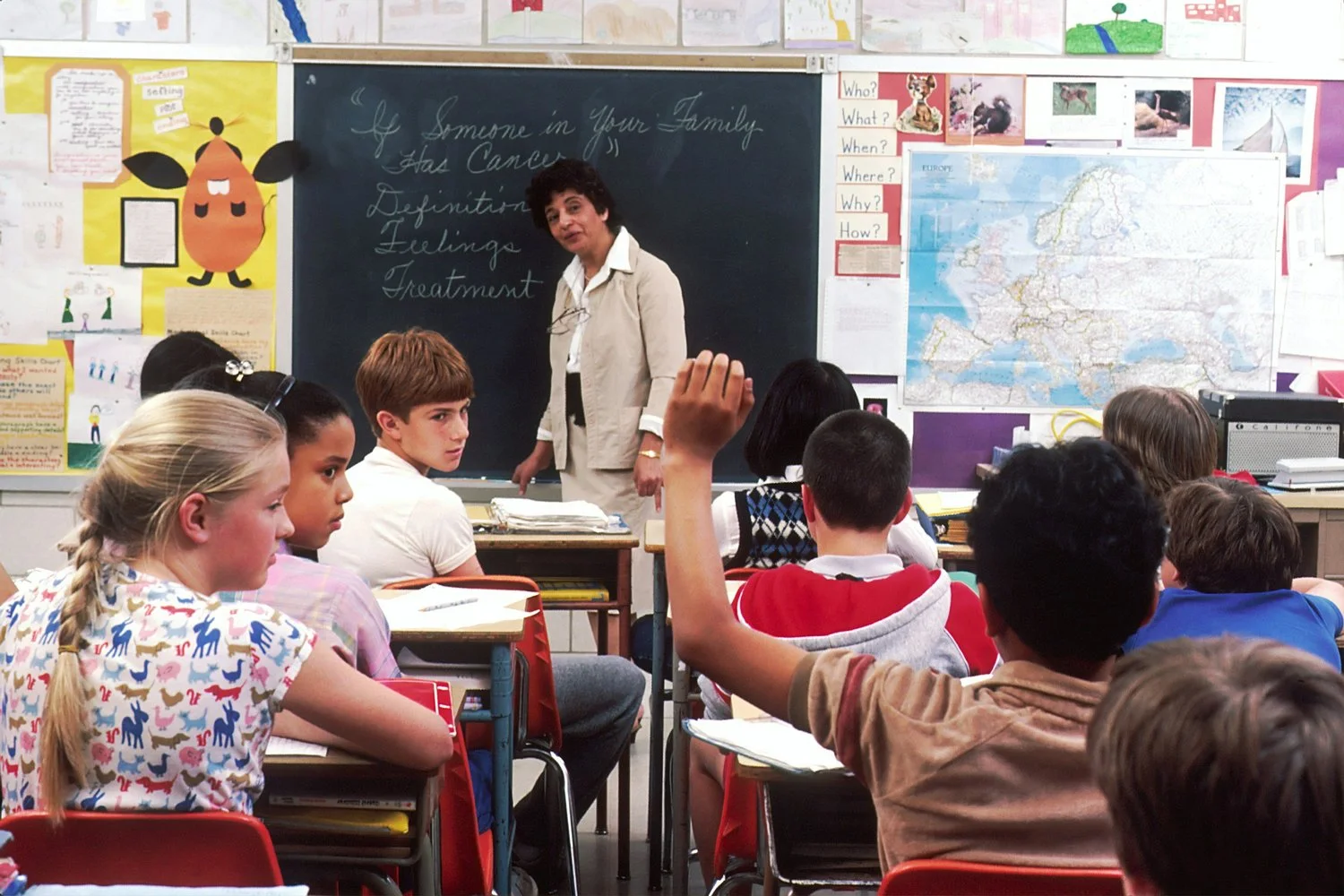
3. Teachers, Educators, and Learning Specialists
There is a rumor that AI will replace teachers.
It will not.
AI can help explain math problems and generate worksheets.
But it cannot lead a classroom, build trust, mentor students, or understand human behavior.
Why AI Cannot Replace Teachers
Teaching requires:
• Relationship building
• Leadership
• Motivation
• Emotional awareness
• Adaptability
• Understanding of learning differences
A teacher can spot when a student is anxious or confused.
A teacher can shift the lesson plan in real time.
A teacher can inspire students or guide them through challenges.
AI cannot do any of that.
Where AI Will Help
Teachers will use AI for:
• Lesson plan generation
• Supplemental practice materials
• Administrative tasks
• Differentiated instruction support
But the heart of teaching remains human.
Outlook for 2026
Education roles that involve one-on-one guidance, coaching, or classroom leadership will remain among the most AI-resistant careers.

4. Creative Strategy Roles (Not Just Content Creation)
Here is the distinction that matters:
AI can create content.
AI cannot create creative strategy.
And nearly all high-level creative work falls into the second category.
AI Handles Tasks, Not Vision
Roles heavily focused on execution may face pressure, but roles requiring conceptual thinking remain safe:
• Creative directors
• Brand strategists
• Senior copywriters
• UX designers with product strategy
• Marketing strategists
• Story strategists
• Creative campaign leaders
Why AI Falls Short in Creative Strategy
AI cannot:
• Understand brand identity
• Read culture in real time
• Lead a brainstorm
• Interpret user research through a human lens
• Predict emotional reactions
• Shape long-term strategy
• Make creative judgment calls
Creativity is about originality, insight, leadership, and direction. These elements require a human mind.
Outlook for 2026
As low-level content becomes automated, the value of human-led creative strategy increases significantly.

5. Jobs Involving Complex Human Interaction (Sales, Management, Negotiation)
Any job that requires influencing people, building trust, or navigating messy human emotions remains extremely safe from automation.
AI can write sales scripts, analyze data, and even draft proposals.
But it cannot build long-term trust with a client or read nonverbal cues during a negotiation.
Why These Roles Are AI-Resistant
These jobs require:
• Emotional intelligence
• Persuasion
• Leadership
• Trust-building
• Judgment
• Conflict resolution
People want to deal with people when the stakes are high.
Examples of AI-Resistant Roles
• Sales managers
• Recruiters
• HR business partners
• Client relationship managers
• Account executives
• Team leaders and supervisors
AI enhances these roles but cannot replace them.
Outlook for 2026
Jobs rooted in human relationships remain secure and high-paying.
So… Is Any Job Truly Safe?
No job is permanently safe.
However, some careers are far more insulated from automation because they require human judgment, physical presence, emotional intelligence, or creative strategy.
And these abilities cannot be easily reproduced by machines.
How to Future-Proof Your Career (No Matter What Job You Have)
To stay ahead of automation, build skills that AI struggles to replicate.
1. Emotional Intelligence
The ability to understand humans is still a superpower.
2. Strong Communication and Storytelling
AI can write. Humans communicate with intention.
3. Adaptability
The workers who pivot, learn, and adjust quickly will always stay competitive.
4. Real-World Problem Solving
Anything involving physical unpredictability remains human-led.
5. Leadership and Decision Making
AI supports leaders. It does not replace them.
Frequently Asked Questions (FAQ)
1. Will AI replace most jobs by 2030?
AI will automate tasks, not entire careers. Most jobs will evolve, not disappear.
2. Are remote jobs more at risk?
Digital-only roles are easier to automate, so yes, they face more risk.
3. What industries will grow because of AI?
Cybersecurity, AI compliance, healthcare, trades, education, creative strategy, and human-centered service roles.
4. Should I switch careers because of AI?
You do not necessarily need to switch careers. You need to strengthen skills that AI cannot replace.
5. What jobs are most at risk?
Repetitive, routine, or digital-first jobs like data entry, basic bookkeeping, low-level customer service, and beginner content creation.
Final Thoughts: AI Is Powerful, But So Are You
AI is transforming the job market faster than any technology in history.
Some roles will shift. Some tasks will automate.
But many careers, especially the ones listed above, remain strong and stable.
The goal of this article was not to scare you.
It was to give you clarity and direction in a rapidly changing world.
Because while AI is impressive…
Your human abilities are still the differentiator.